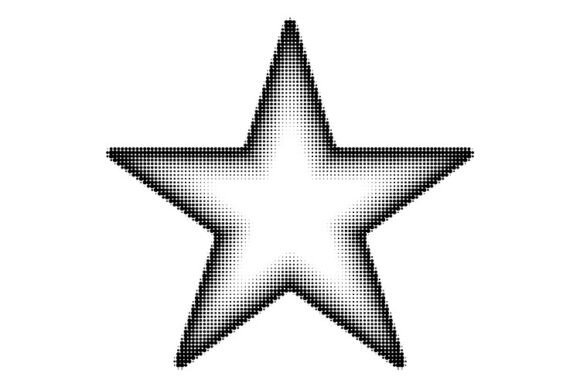
Mastering the Star Shaped Halftone Frame: A Guide to Retro Pop Art Design
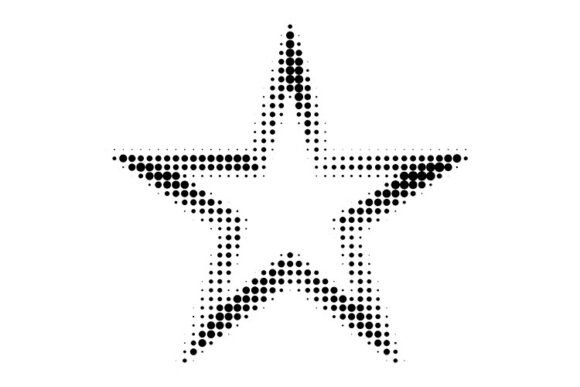
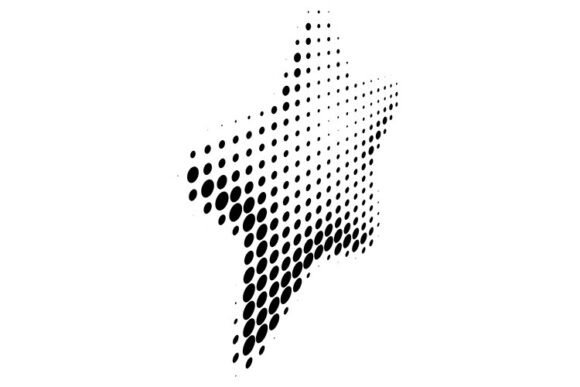
In the vibrant world of graphic design, few elements capture the eye quite like the star shaped halftone frame. This distinctive visual tool merges the geometric precision of star shapes with the textured, nostalgic appeal of halftone dots. The result is an abstract star shaped frame that adds a dynamic and creative touch to virtually any visual content. Whether you are a seasoned designer looking to inject some retro flair into your portfolio or a beginner eager to understand the mechanics of pop art aesthetics, understanding this element is crucial for modern creative work.
The popularity of these frames stems from their versatility. They are ideal for decorative pop art style retro designs, offering a bridge between mid-20th-century print techniques and contemporary digital media. By exploring the composition, history, and practical application of these assets, you can elevate your design projects with professional-grade authenticity.
Understanding the Halftone Technique
To truly appreciate the star shaped halftone frame, one must first understand the underlying technology: halftoning. Historically, halftone was a printing process used to simulate continuous tone imagery through the use of dots. Newspapers and comic books relied on this method because early printing presses could only deposit ink in solid blocks, not gradients. By varying the size and spacing of dots, printers could create the illusion of shading and depth.
When applied to a frame structure, specifically a star shape, the halftone effect transforms a simple geometric boundary into a textured, organic element. The dots often gradient from dense and dark at the edges to sparse and light toward the center, or vice versa. This creates a sense of movement and vibration that flat colors cannot achieve. For modern designers, using pre-made EPS and JPG files allows them to bypass the complex manual creation of these patterns while retaining the authentic look of analog print media.
The Intersection of Geometry and Texture
The magic of the abstract star shaped frame lies in the contrast between rigid geometry and organic texture. A star is a sharp, defined shape with points and angles. Halftone dots, conversely, are circular and soft. When combined, they create a visual tension that is inherently interesting to the human eye. This juxtaposition is a hallmark of effective pop art, a movement that celebrated everyday objects and commercial printing techniques as high art.
Designers use this contrast to draw attention to specific areas of a layout. For instance, placing a photograph inside a star shaped halftone frame instantly isolates the subject, giving it a spotlight effect without the need for heavy borders or drop shadows. The "noise" of the dots provides a background texture that makes clean, modern typography stand out more effectively.
Practical Applications in Modern Design
While rooted in retro aesthetics, the utility of the star shaped halftone frame extends far beyond nostalgia. Today, these elements are ubiquitous in various sectors, including advertising, social media content, fashion, and web design. Their ability to convey energy and creativity makes them a favorite for brands targeting younger demographics or those aiming for a bold, artistic statement.
- Social Media Graphics: In the fast-paced scroll of Instagram or TikTok, static images need to pop. A halftone star frame can serve as a dynamic border for promotional posts, making text overlays more readable against busy backgrounds.
- Event Posters: Music festivals and art exhibitions often utilize pop art styles to convey excitement. The abstract nature of the halftone dots suggests rhythm and movement, aligning perfectly with live performance themes.
- Packaging Design: Product packaging benefits from the tactile feel implied by halftone textures. It suggests a handcrafted or vintage quality, which can increase perceived value for artisanal goods.
- Web Elements: Digital interfaces use these frames as decorative dividers or call-to-action buttons, breaking the monotony of flat design trends that have dominated the last decade.
By integrating these frames, designers can add a layer of sophistication and historical context to their work. It signals an awareness of design history while utilizing modern tools to execute the vision.
File Formats: Why EPS and JPG Matter
When downloading or purchasing design assets like the star shaped halftone frame, understanding file formats is essential for maintaining quality and workflow efficiency. Most professional packages include both EPS and JPG files, each serving a distinct purpose in the design process.
The Power of EPS (Encapsulated PostScript)
The EPS format is a vector-based file type. This means the image is defined by mathematical paths rather than pixels. For a halftone frame, this is incredibly valuable. You can scale the star up to the size of a billboard or down to a business card without losing any resolution. The edges of the star and the individual dots will remain crisp and sharp. Furthermore, EPS files allow designers to edit the colors of the dots individually. If your brand palette changes from black and white to neon pink and blue, an EPS file makes this adjustment instantaneous and non-destructive.
The Convenience of JPG (Joint Photographic Experts Group)
On the other hand, the JPG format is a raster image, composed of pixels. While it cannot be scaled infinitely without losing quality, it is universally compatible. JPGs are ideal for quick mockups, web uploads, or situations where vector software is not available. They are lightweight and easy to share, making them perfect for collaborative projects where team members may not have access to advanced design tools. However, users should be cautious when enlarging JPGs, as the halftone dots may become pixelated or blurry if stretched beyond their original dimensions.
- Assess Your Needs: Determine if you need scalability (choose EPS) or quick compatibility (choose JPG).
- Check Resolution: For JPGs, ensure the DPI (dots per inch) is high enough for your intended output, especially for print.
- Editability: Use EPS files when you need to change colors, opacity, or blend modes within design software like Adobe Illustrator or Photoshop.
- Workflow Integration: Combine both formats by using the EPS for master designs and exporting JPGs for final web delivery.
Common Misunderstandings About Retro Design
A common assumption among beginners is that retro design is simply about making things look "old." However, effective use of a star shaped halftone frame requires a nuanced approach. It is not just about slapping a vintage filter on a modern image. True pop art style involves intentional contrast, bold color choices, and a clear understanding of composition.
Another misconception is that halftones are outdated technology with no place in high-definition digital screens. On the contrary, the aesthetic of the halftone has seen a massive resurgence precisely because it offers a tactile, human element in an increasingly sterile digital landscape. It reminds viewers of physical media, creating an emotional connection that pure digital graphics often lack.
Furthermore, some designers believe these frames are limited to black and white. While classic comics used black ink on white paper, modern interpretations experiment with vibrant, contrasting colors. A cyan star frame with magenta dots can create a striking 3D anaglyph effect, adding depth and intrigue to the design.
Conclusion: Embracing Creative Dynamics
The star shaped halftone frame is more than just a decorative element; it is a testament to the enduring power of print aesthetics in the digital age. By combining the structural clarity of a star with the textured complexity of halftone dots, designers can create visuals that are both nostalgic and fresh. Whether you are working on a corporate branding project, a personal art piece, or a social media campaign, these frames offer a versatile tool for enhancing visual communication.
With the inclusion of both EPS and JPG files in standard asset packs, accessibility is no longer a barrier. Designers of all skill levels can incorporate this abstract star shaped frame into their work, ensuring high quality and flexibility. As you continue to explore the possibilities of pop art style retro designs, remember that the goal is not just to replicate the past, but to reinterpret it for today’s audience. By mastering these elements, you add a dynamic and creative touch to your visual content that resonates with viewers on both intellectual and emotional levels.
For those looking to deepen their understanding, experimenting with different dot densities, star proportions, and color combinations is the next logical step. The interplay between shape and texture is endless, offering a playground for creativity that remains as relevant today as it was during the height of the pop art movement.