The Art of Floral PNGs: Blending Ethereal Elegance with Modern Digital Design
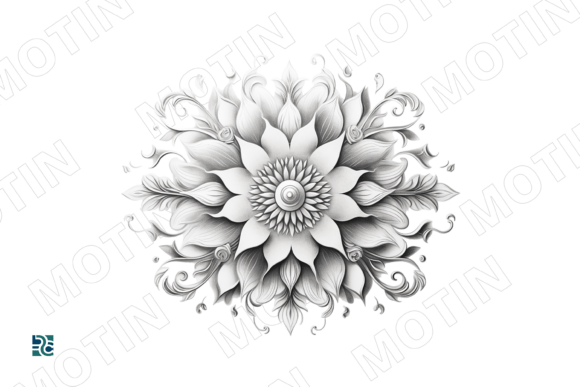
In the vast landscape of digital art, few elements capture the imagination quite like the floral art PNG. Emanating an ethereal elegance, this intricate floral design is a meticulously detailed illustration where every petal and vine is rendered with life-like precision. For designers, hobbyists, and business owners alike, understanding the nuance of these graphics is not just about aesthetics; it is about leveraging a powerful tool that bridges the gap between traditional craftsmanship and contemporary digital needs.
The artwork blossoms in its unadorned setting, the interplay of ornamental elements meticulously arranged to create a symmetrical pattern that tells a captivating tale of beauty and aesthetics. But what exactly makes these files so indispensable in modern creative workflows? To answer this, we must look beyond the surface level of "pretty pictures" and explore the technical and artistic significance of high-quality botanical illustrations.
Understanding the Essence of Botanical Line Art
Inspired by nature, this deliverance of botanical art encapsulates the raw allure of the world outdoors. It is a floral motif, akin to a mandala, that seamlessly intertwines the lines of contemporary design and the curves of traditional craftsmanship. When we discuss floral art in the context of PNG (Portable Network Graphics) files, we are referring to images that support transparency. This technical feature is crucial because it allows the intricate details of the flower to sit seamlessly on any background, whether it be a stark white webpage, a textured fabric print, or a vibrant social media post.
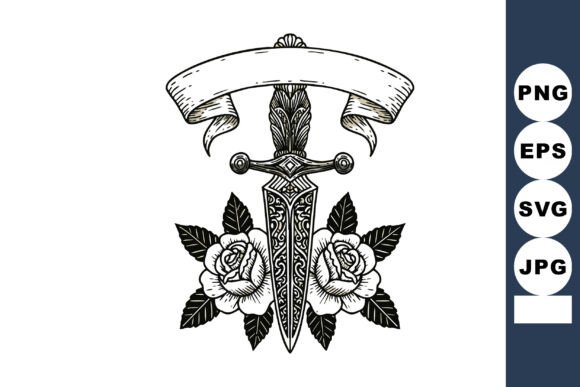
The power of this graphic illustration lies in its flawless rendering, a testament to the meticulous handiwork that makes it a stylish emblem of modern art. Every stroke counts in this detailed sketch, employing monochrome hues to weave an enchanting narrative of line art. Unlike raster images with solid backgrounds, a well-crafted floral PNG allows the designer to maintain the integrity of the underlying layout while adding a layer of sophisticated decoration.
The Intersection of Tradition and Technology
It isn’t just a decorative flower; rather, it is a stylized plant that defies convention and resonates with a resonant design inspiration. Historically, botanical illustrations were scientific tools, used to document species with exacting detail. Today, they have evolved into artistic statements. The aligning ornamental elements reveal a fascinating interplay of intricate details, contributing to an aura of undeniable visual appeal. By digitizing these traditional sketches into high-resolution PNGs, artists preserve the soul of hand-drawn work while making it accessible for mass digital consumption.
Practical Applications in Modern Design
Whether it stands as an emblem of home decor, a trigger of creativity, or a symbol of pattern design, this floral illustration scores high on the visual art spectrum. However, its utility extends far beyond mere decoration. Let us explore how these assets are utilized across various industries.
- Brand Identity and Logo Design: Many lifestyle brands, particularly in the wellness, beauty, and organic food sectors, utilize floral motifs to convey natural purity and elegance. A monochrome floral PNG can serve as a subtle watermark or a primary logo element, offering versatility across different marketing materials.
- Web and UI/UX Design: In web design, heavy graphics can slow down load times. However, optimized floral PNGs with transparent backgrounds allow for lightweight decorative elements that enhance user experience without cluttering the interface. They can be used as dividers, header accents, or background textures.
- Print-on-Demand Products: From wedding invitations to throw pillows, the demand for unique floral patterns is immense. Designers use these intricate illustrations to create repeatable patterns or standalone centerpieces for merchandise, ensuring that the high-resolution details remain crisp even when printed on large formats.
Why Detail and Precision Matter
When selecting floral art for your projects, the quality of the rendering is paramount. The description of "life-like precision" is not merely poetic; it is a technical requirement for professional-grade design. Low-resolution or poorly traced images can appear pixelated or jagged, detracting from the overall aesthetic. High-quality floral PNGs maintain smooth curves and consistent line weights, which is essential for maintaining a polished look.
Consider the difference between a generic clip-art flower and a meticulously illustrated botanical piece. The latter invites the viewer to look closer, discovering the subtle variations in leaf structure and petal arrangement. This depth engages the audience on a subconscious level, evoking feelings of calm, sophistication, and appreciation for nature. In a digital world often characterized by speed and simplicity, these detailed illustrations offer a moment of pause and reflection.
Common Misconceptions About Digital Floral Art
One common misunderstanding is that digital floral art lacks the "soul" of traditional painting. On the contrary, many digital illustrations are created using tablets and styluses that mimic the pressure sensitivity of real brushes and pens. The artist still makes every deliberate choice regarding line weight, shading, and composition. The digital format simply offers greater flexibility for editing and distribution.
Another assumption is that all PNGs are created equal. In reality, file size, compression, and color depth vary significantly. A professional designer will always look for PNGs that balance high resolution with manageable file sizes to ensure optimal performance across different platforms.
How to Incorporate Floral PNGs into Your Creative Workflow
Integrating these elegant designs into your work requires a thoughtful approach. Here are some steps to ensure you make the most of these assets:
- Define Your Aesthetic: Determine whether you need a realistic botanical illustration or a more stylized, abstract interpretation. Monochrome line art offers a modern, minimalist vibe, while colored illustrations may suit more vibrant projects.
- Check Licensing and Usage Rights: Always verify the license associated with the floral PNG. Some are free for personal use only, while others require attribution or a commercial license. Respecting intellectual property is crucial in professional design.
- Experiment with Layering: Use the transparency of the PNG to layer multiple floral elements. You can create complex compositions by overlapping vines and petals, adjusting opacity to create depth and dimension.
- Maintain Visual Balance: Because floral designs can be intricate, it is important to balance them with ample white space. Overcrowding a design with too many detailed elements can overwhelm the viewer. Let the artwork breathe.
The Enduring Appeal of Nature-Inspired Design
The popularity of floral art PNGs is not a fleeting trend; it is rooted in humanity’s enduring connection to nature. In an increasingly urbanized and digital world, bringing elements of the outdoors into our screens and spaces provides a sense of grounding and tranquility. These illustrations serve as a reminder of the organic beauty that exists beyond the confines of technology.
Furthermore, the versatility of the floral motif allows it to adapt to various cultural and stylistic contexts. From the delicate cherry blossoms of East Asian art to the bold sunflowers of Western impressionism, floral designs transcend borders. When rendered in a universal style like monochrome line art, they become accessible to a global audience, capable of conveying emotion and beauty without the barrier of language.
Conclusion: Elevating Your Visual Narrative
In conclusion, the floral art PNG is more than just a digital file; it is a vessel for ethereal elegance and artistic expression. By combining the precision of modern technology with the timeless allure of nature, these illustrations offer endless possibilities for creativity. Whether you are a seasoned designer looking to refine your portfolio or a beginner eager to add a touch of sophistication to your personal projects, understanding the value of high-quality botanical art is essential.
As you move forward in your creative journey, consider how these intricate designs can enhance your visual storytelling. Let the symmetrical patterns and life-like details inspire you to create works that are not only visually appealing but also emotionally resonant. In the end, the power of this graphic illustration lies in its ability to transform the ordinary into the extraordinary, one petal at a time.
For those interested in exploring more about digital design resources, consider visiting reputable stock photography sites or independent artist portfolios. Supporting individual creators ensures that the tradition of meticulous handiwork continues to thrive in the digital age. Embrace the beauty of floral art, and let it guide your design decisions toward a more elegant and impactful future.