Bonsai Tree Silhouette Collection Guide
Visual design often relies on the power of suggestion rather than explicit detail. This is where a Bonsai Tree Silhouette Collection becomes an invaluable asset for creators, designers, and hobbyists alike. These graphics capture the essence of miniature trees—those iconic symbols of patience, balance, and natural beauty—using stark, high-contrast shapes. By stripping away color and texture, silhouettes allow the viewer to focus on the form, the curve of the trunk, and the spread of the branches. Whether you are designing a logo for a spa, creating educational materials about horticulture, or adding a touch of Zen to a digital interface, these black-and-white elements offer a versatile and elegant solution.
The Artistic Appeal of Minimalist Nature Graphics
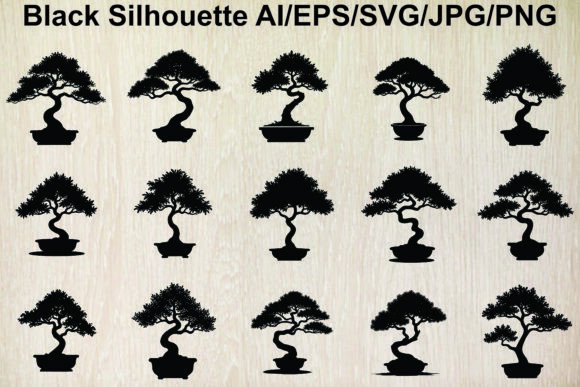
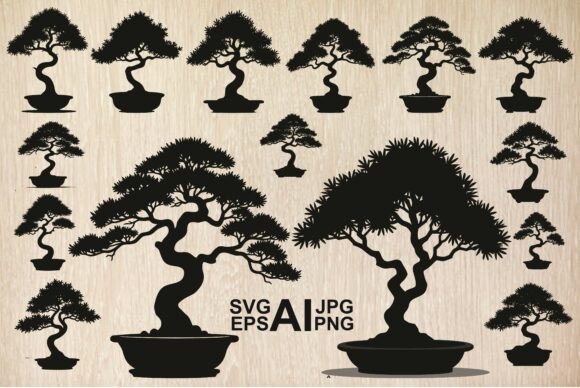
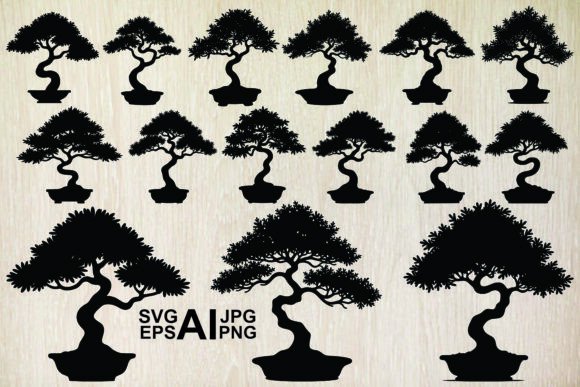
The allure of bonsai lies in its ability to represent vast landscapes in a confined space. A silhouette translates this concept into graphic design by reducing complex organic structures into clean, recognizable shapes. When you use a collection of fifteen black bonsai tree silhouettes in pots, you are tapping into a visual language that communicates tranquility, growth, and organic harmony instantly. The high contrast of black figures against a white background ensures that these images remain legible and impactful regardless of the medium.
Unlike photographic images, which can sometimes clutter a design with unnecessary details like leaf textures or pot imperfections, silhouettes provide a stylized representation. This makes them ideal for modern, minimalist aesthetics. They serve as powerful graphic elements that can anchor a layout without overwhelming it. The variety of shapes included in a comprehensive bundle means you can select the specific posture that matches your project’s mood, from upright and formal to cascading and wild.
Versatility Across Digital and Print Media
One of the primary reasons professionals and entrepreneurs seek out a bonsai silhouette vector bundle is its adaptability. Because these files are typically provided in multiple formats, they can be scaled infinitely without losing quality. This is crucial for branding applications where a logo might need to appear on a business card one day and a building-sized banner the next.
- Branding and Identity: Use the elegant lines of a potted bonsai to create logos for wellness centers, tea shops, landscape architecture firms, or interior design studios. The imagery naturally conveys concepts of care, precision, and natural beauty.
- Web and App Design: Incorporate these isolated icons into user interfaces to denote sections related to nature, gardening, or relaxation. Their simple structure ensures they load quickly and look crisp on high-resolution retina displays.
- Print Materials: From brochures to packaging, black-and-white silhouettes print beautifully. They add a sophisticated, artistic touch to product labels for organic skincare lines or herbal teas.
- Educational Content: Teachers and bloggers can use these visuals to illustrate articles about Japanese garden history, plant care basics, or the philosophy of Zen. The clear distinction between trunk, branches, and foliage helps in explaining structural pruning techniques.
Understanding the File Formats and Usability
For those new to digital design, the array of file types included in a professional bundle might seem daunting. However, understanding what each format offers empowers you to use the Collection of fifteen black bonsai tree silhouettes effectively. A typical high-quality bundle includes five distinct formats: JPG, PNG, AI, EPS, and SVG, all compressed into a single ZIP file.
To access these assets, you will need to extract the ZIP file. On most modern operating systems, you can simply double-click the file to view its contents or right-click and select "Extract All." If you encounter issues, standard tools like WinZip or WinRAR can handle the compression easily. Once extracted, you have a library of resources ready for any workflow.
The SVG (Scalable Vector Graphics) and EPS (Encapsulated PostScript) files are particularly valuable for designers. These are vector formats, meaning they use mathematical paths rather than pixels. You can resize them from the size of a stamp to the size of a billboard without any pixelation or blurriness. They are editable in software like Adobe Illustrator, allowing you to tweak the curves or combine elements to create custom compositions.
For users who prefer raster-based programs like Photoshop or need quick web-ready images, the PNG and JPG files are ideal. PNGs are especially useful because they often support transparency, allowing you to place the bonsai silhouette directly over colored backgrounds or photographs without a visible white box around it. The AI files cater specifically to Adobe Illustrator users, providing native compatibility for seamless editing.
Practical Considerations for Effective Use
While using pre-made silhouettes is straightforward, keeping a few design principles in mind will enhance the final result. First, consider the context of the "white background" mentioned in many stock descriptions. While the files may come with white backgrounds for preview purposes, the true value lies in their isolation. Always ensure you are using the transparent PNG or the vector file when placing the image over non-white backgrounds to maintain a professional look.
Second, think about the emotional tone of the specific tree shape you choose. Bonsai styles vary significantly. A straight, upright trunk suggests stability and tradition, suitable for corporate or financial contexts. A windswept or cascading style might evoke resilience or adventure, fitting for travel blogs or outdoor brands. Reviewing the variety in the collection allows you to match the visual metaphor to your message accurately.
Finally, respect the versatility of these assets. Since you can use these designs for any purpose, do not limit yourself to traditional gardening themes. These artistic representations of nature can symbolize growth in business charts, balance in mental health apps, or heritage in cultural projects. The abstract nature of the silhouette invites interpretation, making it a flexible tool in your creative toolkit.
Enhancing Your Creative Workflow
Incorporating a stylized tree or potted bonsai graphic into your projects saves time compared to creating these complex shapes from scratch. Drawing a realistic bonsai requires a keen eye for botanical accuracy and artistic skill. By utilizing a pre-made bundle, you bypass the initial sketching phase and move straight to composition and layout. This efficiency is particularly beneficial for freelancers and small business owners who manage multiple roles and tight deadlines.
Moreover, these elements serve as excellent starting points for further customization. You might duplicate a silhouette, flip it, and arrange multiple trees to create a sense of depth or a miniature forest scene. You can change the color from black to deep green, earthy brown, or even gold to match a specific brand palette. The foundational work of capturing the organic growth pattern is already done, leaving you free to experiment with style and application.
Ultimately, a Bonsai Tree Silhouette Collection is more than just a set of clipart images; it is a resource for conveying sophistication and calm. Whether you are decorating a website, designing a package, or illustrating a book, these fifteen unique silhouettes provide the perfect blend of artistic flair and functional design. By leveraging the different file formats and understanding the symbolic weight of the bonsai form, you can elevate your visual communication with ease and elegance.