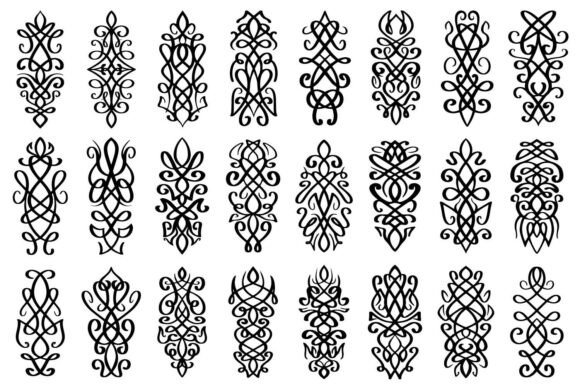
Abstract Calligraphic Vintage Designs
In the fast-paced world of digital content, there is a growing appreciation for aesthetics that evoke history, craftsmanship, and elegance. Abstract calligraphic vintage designs offer a unique bridge between traditional artistry and modern graphic needs. These elements are not merely decorative; they serve as powerful visual tools that can elevate branding, enhance storytelling, and create an immediate emotional connection with an audience. For professionals ranging from marketing directors to independent creators, understanding how to leverage these ornamental assets can significantly improve the quality and impact of their work.
The Power of Nostalgia in Modern Branding
Visual communication relies heavily on context and emotion. When a viewer encounters abstract calligraphic vintage design elements, they often subconsciously associate the imagery with qualities such as reliability, heritage, and sophistication. This psychological response is invaluable for businesses aiming to establish trust or convey a sense of timeless quality. Unlike stark, minimalist modernism, vintage-inspired line art introduces warmth and personality.
Consider a boutique coffee shop or a handmade jewelry brand. Using generic stock photography might fail to capture the artisanal nature of the product. However, integrating line art ornamental decorative design elements into packaging or social media posts instantly signals attention to detail. The fluidity of calligraphy combined with the structured elegance of vintage motifs creates a balanced composition that feels both curated and authentic. This approach helps brands stand out in saturated markets by offering a distinct visual identity that resonates with consumers seeking authenticity.
Versatility Across Digital and Print Media
One of the primary challenges for designers and content creators is maintaining visual consistency across various platforms. A design that looks stunning on a business card may lose its integrity when scaled down for a mobile app icon or blown up for a banner. This is where the technical specifications of your design assets become crucial. High-quality abstract calligraphic vintage designs must be versatile enough to handle these transitions without losing clarity or impact.
For print applications, such as wedding invitations, book covers, or premium packaging, resolution is paramount. Assets provided in JPG format at 300 ppi density ensure that every curve and line remains crisp when printed. This high resolution prevents pixelation, preserving the delicate nuances of the calligraphic strokes. For digital use, particularly in web design and social media graphics, PNG files with transparent backgrounds are indispensable. They allow designers to layer ornamental elements over photographs, colored backgrounds, or text without awkward white boxes or manual editing, thereby streamlining the workflow and saving valuable time.
Scalability and Editing Freedom for Professionals
While raster images like JPGs and PNGs are essential for final outputs, vector files are the backbone of professional graphic design. Including SVG, AI, and EPS vector graphics in a design bundle provides unparalleled flexibility. Vector files use mathematical paths rather than pixels, meaning they can be scaled infinitely without any loss of quality. This is particularly important for large-format printing, such as signage or trade show displays, where even minor blurriness can undermine professionalism.
Furthermore, vector formats like AI (Adobe Illustrator) and EPS (version 10) allow for deep customization. A marketer might need to adjust the color of a vintage flourish to match specific brand guidelines, or a publisher might want to isolate a single element from a complex composition to use as a chapter header. With editable vector files, these adjustments are straightforward. Designers can modify stroke weights, change colors, or rearrange components to suit specific layout requirements. This level of control empowers creators to tailor abstract calligraphic vintage design elements to their exact needs, rather than being limited by pre-rendered static images.
Enhancing Communication Through Visual Hierarchy
Beyond aesthetics, ornamental design plays a functional role in guiding the viewer’s eye. In long-form content, such as blogs, eBooks, or newsletters, walls of text can be daunting. Strategically placed line art ornamental decorative design elements can break up text, create visual pauses, and highlight key sections. For instance, a delicate calligraphic divider can separate chapters in a digital magazine, while a vintage border can frame a testimonial or a quote, drawing attention to it.
This use of decorative elements supports better readability and engagement. It helps structure information logically, making complex content more digestible. For educators and publishers, this means that materials are not only visually appealing but also more effective in conveying information. The abstract nature of these designs ensures they do not distract from the core message but rather complement it, adding a layer of sophistication that encourages readers to spend more time with the content.
Who Benefits Most from These Design Elements?
The utility of abstract calligraphic vintage designs extends across a wide spectrum of professions. Freelance graphic designers can use these assets to speed up project delivery, offering clients high-end custom looks without starting from scratch. Small business owners, particularly those in lifestyle, beauty, or hospitality sectors, can enhance their brand presence on social media by incorporating these elegant touches into their posts and stories.
Wedding planners and event coordinators find immense value in these elements for creating cohesive stationery suites, from save-the-dates to menu cards. Similarly, bloggers and content creators can use them to create distinctive headers and featured images that reinforce their personal brand identity. Even corporate professionals can benefit by using subtle vintage ornaments in presentations or reports to add a touch of class and differentiate their materials from standard corporate templates.
Practical Considerations for Implementation
While the benefits are clear, successful implementation requires thoughtful application. It is essential to balance ornamentation with whitespace. Overusing abstract calligraphic vintage design elements can clutter a design and obscure the main message. The key is subtlety. Use these elements to accentuate, not dominate. Additionally, consider the context of your audience. While vintage aesthetics appeal to many, they may not align with brands aiming for a futuristic or ultra-modern image.
When selecting assets, ensure you have access to a comprehensive range of formats. A bundle that includes 24 high-resolution JPGs, 24 transparent PNGs, and 24 vector files (SVG, AI, EPS) provides the necessary toolkit for any scenario. This variety ensures that whether you are designing a favicon for a website or a large banner for an event, you have the right file type ready to go. Having all 24 unique designs available allows for consistency across a campaign while providing enough variation to keep visuals interesting.
In conclusion, integrating abstract calligraphic vintage designs into your creative workflow is a strategic move for enhancing visual communication. By leveraging high-quality, versatile assets, you can save time, maintain professional standards, and create compelling narratives that resonate with your audience. Whether you are a seasoned designer or a small business owner looking to elevate your brand, these ornamental elements offer a practical and elegant solution to common design challenges.